
Agnes Ultra RF Microneedling: The Complete Guide
If you have been researching non-surgical ways to define your jawline, smooth under-eye bags, or tighten skin after weight loss, you have probably encountered a confusing wall of acronyms: RF, HIFU, microneedling, ultherapy. Somewhere in that list sits a technology that dermatologists have quietly relied on for years — and that we believe deserves a much closer look. This guide explains what Agnes Ultra RF microneedling actually is, how it differs from the treatments it is often confused with, and how to know whether it is right for you.
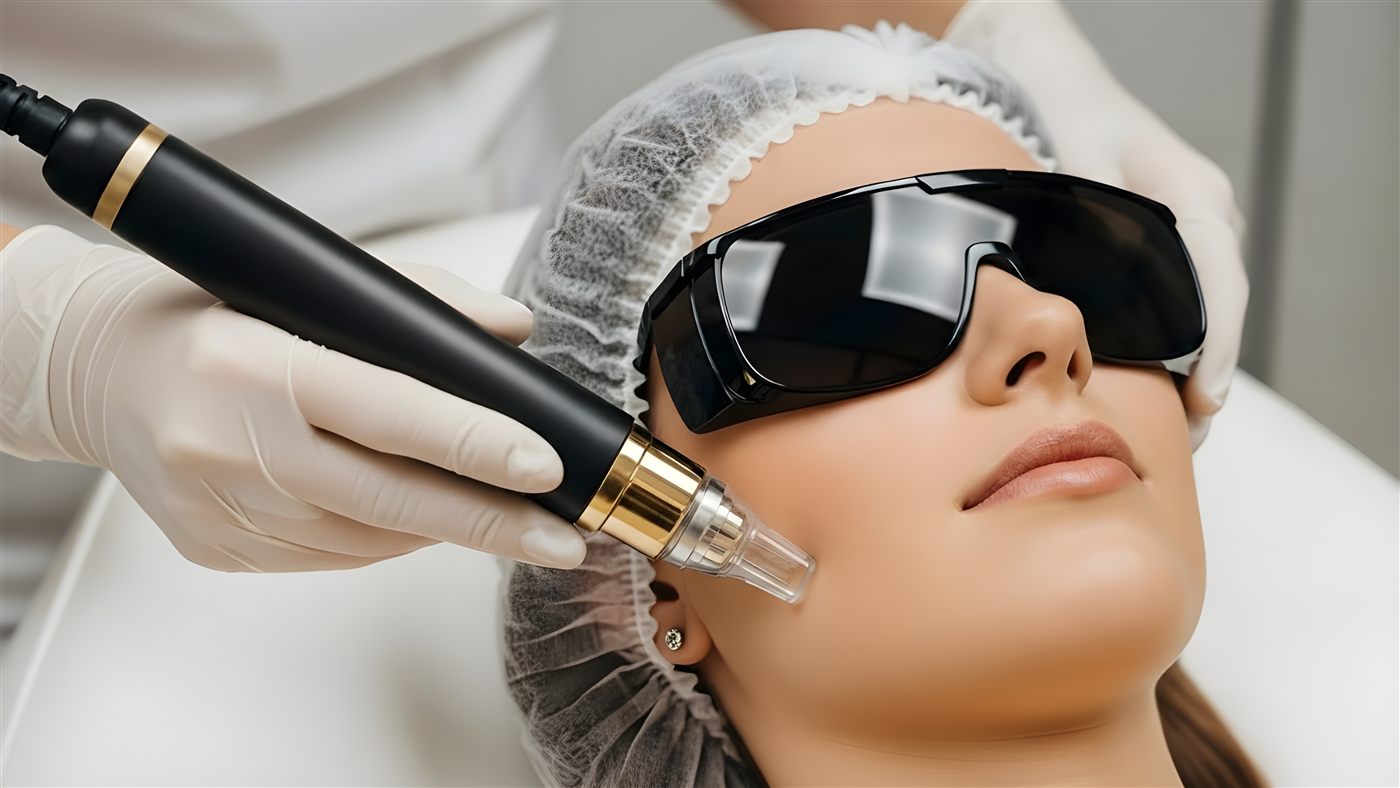
What Is Agnes Ultra?
Agnes Ultra is a precision radiofrequency (RF) microneedling platform originally developed by dermatologists. Unlike traditional microneedling — which creates thousands of uniform micro-channels across the surface of the skin — Agnes Ultra delivers targeted RF energy deep into specific tissue through micro-insulated needles.
That word, micro-insulated, is the heart of the technology. Each needle is coated along its shaft so that energy is released only at the very tip, precisely where your provider intends it to go. The surface of your skin and the layers above the target are protected, which is why the treatment carries minimal downtime and a strong safety profile across all skin tones. The system uses needles of varying lengths and insulation levels, allowing your provider to map the treatment to your unique facial architecture.
How Agnes Ultra Is Different from Traditional RF Microneedling
Traditional RF microneedling is excellent for surface concerns — texture, enlarged pores, fine lines, and mild acne scarring. Agnes Ultra goes deeper, and it does something most surface treatments cannot: it addresses the structure beneath the skin.
- Targeted fat reduction. The focused RF energy can gently reduce small, stubborn fat pockets — under the chin, along the jawline, beneath the eyes — that resist diet and exercise.
- Deep collagen remodeling. By heating the deeper dermal layers, the treatment triggers your body's natural collagen production, firming skin from the foundation up over the following weeks and months.
- Selective acne treatment. Agnes was originally celebrated for treating recurring cystic acne at its source: the overactive sebaceous gland itself. Treated glands stop producing the breakouts that creams and washes never resolve.
This is why providers describe Agnes Ultra as treating "the skin and the architecture beneath it." If you would like a deeper look at how we use it for face and body contouring, our Agnes Ultra treatment page covers the full protocol at Solara Aevum.
What Can Agnes Ultra Treat?
At Solara Aevum in Green Lake, Wisconsin, we use Agnes Ultra for a focused set of concerns where precision matters most:
- Jawline and jowl definition
- Under-eye bags and upper eyelid laxity
- Submental fullness (the area under the chin)
- Neck refinement
- Stubborn cystic acne and enlarged pores
- Post-weight-loss skin tightening on select areas of the body
What Does the Treatment Feel Like?
Comfort is engineered into the experience. A medical-grade topical numbing cream is applied before your session, and most clients describe light pressure or warmth rather than pain. Sessions typically run 30 to 60 minutes depending on the areas being treated.
Afterward, you can expect mild redness or slight swelling for 24 to 72 hours. Most clients return to normal activities the same or next day — a meaningful difference from surgical alternatives that require weeks of recovery.
When Will I See Results?
Some tightening may be visible early, but the most significant changes emerge between four and six weeks after treatment, as your body remodels existing collagen and produces new fibers. Results continue to refine over roughly six months. Many clients see meaningful improvement after a single session; a series of one to three sessions is common for optimal, long-lasting results.
Is Agnes Ultra Safe for All Skin Tones?
Yes — and this is one of the technology's most important advantages. Because the insulated needles bypass the skin's surface entirely, the risk of post-inflammatory pigmentation changes is significantly reduced compared to many energy-based treatments. That makes Agnes Ultra a sophisticated option for clients of all skin types and ethnicities.
Frequently Asked Questions
How many Agnes Ultra sessions will I need?
Most clients see visible improvement after one session, though a series of 1–3 treatments may be recommended depending on the concern. Skin tightening and contouring goals are often achieved in fewer sessions than acne treatment, which targets individual glands.
How long do Agnes Ultra results last?
Because the treatment stimulates your own collagen and, in the case of fat reduction and acne, removes the underlying cause, results are long-lasting. Collagen continues to mature for about six months after treatment, and many improvements endure for years with good skincare and sun protection.
Is there an ideal age for Agnes Ultra?
There is no single ideal age. Clients in their 30s through 60s use Agnes Ultra for early jawline softening, under-eye bags, and post-weight-loss laxity alike. The right question is whether your concern is structural — and a consultation answers that quickly.
Agnes Ultra vs. surgery — how do I choose?
Surgery removes and repositions tissue; Agnes Ultra remodels what you already have. For moderate laxity, small fat pockets, and refinement goals, Agnes Ultra offers natural-looking change without anesthesia, scars, or weeks of downtime. Significant excess skin may still warrant a surgical consultation — and an honest provider will tell you so.
Curious whether Agnes Ultra fits your goals? Schedule a consultation at our lakeside sanctuary in Green Lake, and we will map a plan to your unique architecture — no pressure, no rushing. You can also explore the rest of our treatment ecosystem to see how Agnes pairs with recovery and skin therapies.
This article is for educational purposes and is not medical advice. Individual results vary; a personal consultation determines whether any treatment is right for you.